 A 1031 exchange allows the taxpayer to defer indefinitely federal and state capital gain and recaptured depreciation taxes that may represent a tax of up to forty percent of the net sales price. The Internal Revenue Service (IRS) Section of the tax code is used by taxpayers who own real and tangible and intangible personal property such as vacation and commercial property, aircraft, equipment, collectible vintage cars, artwork or franchise rights, that is held in the productive use of a business or for investment. When the property is sold and conveyed at closing or escrow, the capital gain tax obligation is triggered that can be deferred or pushed forward if a 1031 exchange is initiated prior to or at closing. A replacement property of equal or greater value must be acquired within 180 calendar days or the partial tax or full tax is due. The 1031 tax code also applies to property held internationally when replaced with property held overseas.

 A 1031 exchange is not for everyone. The question is often asked “Should I do a 1031 exchange?” It depends. What are the tax consequences of the sale? Do you want to own replacement property? Are your long term goals appreciation, cash flow or possibly
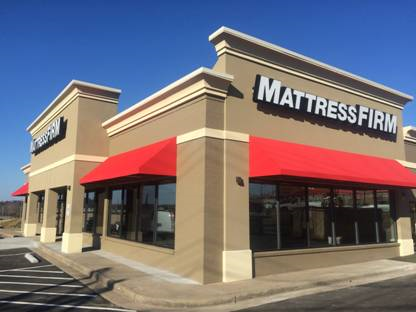
.png "1031 Exchange property in Virginia") Stan Johnson Company is pleased to offer for sale to qualified investors a 1031 exchange eligible single tenant retail property located in Martinsville, Virginia. The property is leased to Mattress Firm, Inc. who operates a brand new NN lease with Ten (10) years on the term and Two (2), Five (5) year renewal options. The lease term contains 10% rental increases, every Five (5) years, throughout the primary term and option periods. The Mattress Firm is located adjacent to Liberty Fair Mall on Martinsville’s major retail corridor. The subject property is currently undergoing renovations and is estimated to open at the beginning of December, 2014.
Stan Johnson Company is pleased to offer for sale to qualified investors a 1031 exchange eligible single tenant retail property located in Martinsville, Virginia. The property is leased to Mattress Firm, Inc. who operates a brand new NN lease with Ten (10) years on the term and Two (2), Five (5) year renewal options. The lease term contains 10% rental increases, every Five (5) years, throughout the primary term and option periods. The Mattress Firm is located adjacent to Liberty Fair Mall on Martinsville’s major retail corridor. The subject property is currently undergoing renovations and is estimated to open at the beginning of December, 2014. 
 The Treasury Department Office of Tax Analysis published a
 Real estate investors should be familiar with the requirements of the Internal Revenue Code Section 1031 exchange. All too often, taxpayers have mis-interpreted or received bad information that can potentially jeopardize the tax consequence of their real estate investment. A 1031 exchange allows the taxpayer subject to federal and state taxes to defer the federal and state capital gain along with the depreciation recapture taxes when selling and replacing with like-kind property. The deferral represents an indefinite interest free loan that is not due until the replacement property is sold. Imagine an interest free loan that can represent up to forty percent of the sales price.